
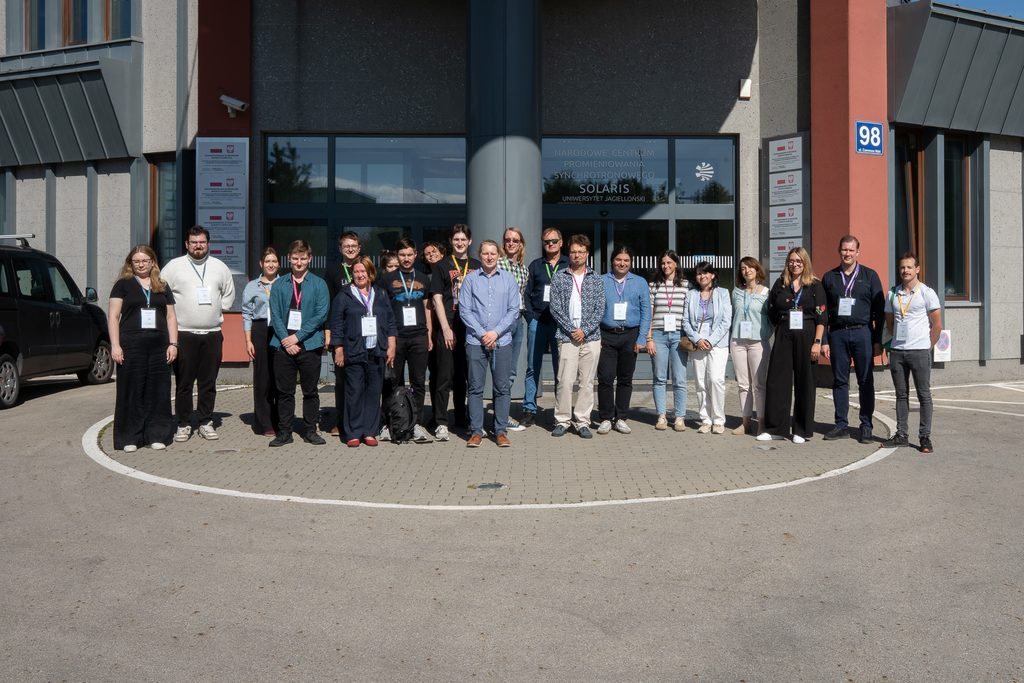
Hands-on beamline training, X-ray spectroscopy and microscopy workshops, and preparing their own beamtime proposals were among the highlights of a visit by five young researchers to the SOLARIS National Synchrotron Radiation Centre through the NEPHEWS Early-Stage Researchers (ESR) programme.
Through the ESR programme, young scientists can take part in short internships at leading research infrastructures, gain practical experience, and learn how to plan and carry out advanced experiments. The programme also provides travel and accommodation support under its funding rules.
From 14 to 19 September 2026, five ESR participants visited SOLARIS in Kraków, Poland. Their internship combined the SOLARIS User Meeting with the Crosscarpatian Synchrotron School 2026 (CSS2026).
During the User Meeting, participants explored research opportunities at SOLARIS, attended scientific presentations, and connected with researchers from different fields.
A particularly important part of the internship was the CSS2026, an international training programme focused on the practical application of synchrotron radiation in scientific research. This year’s edition focused on X-ray spectroscopy and microscopy, combining theoretical lectures, hands-on beamline training and workshops on preparing beamtime proposals.
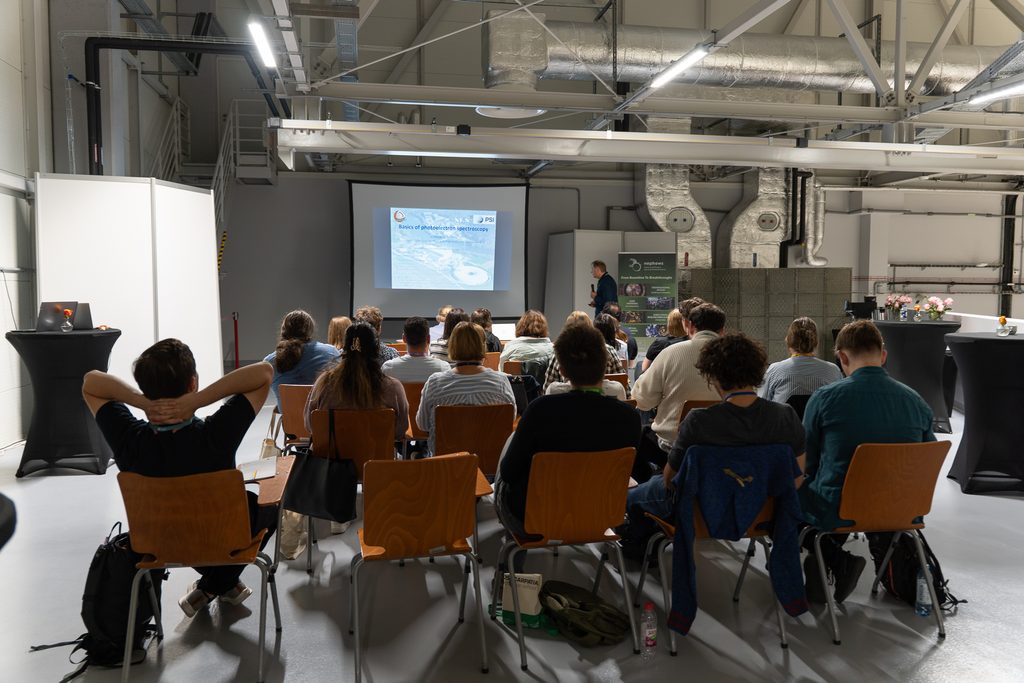
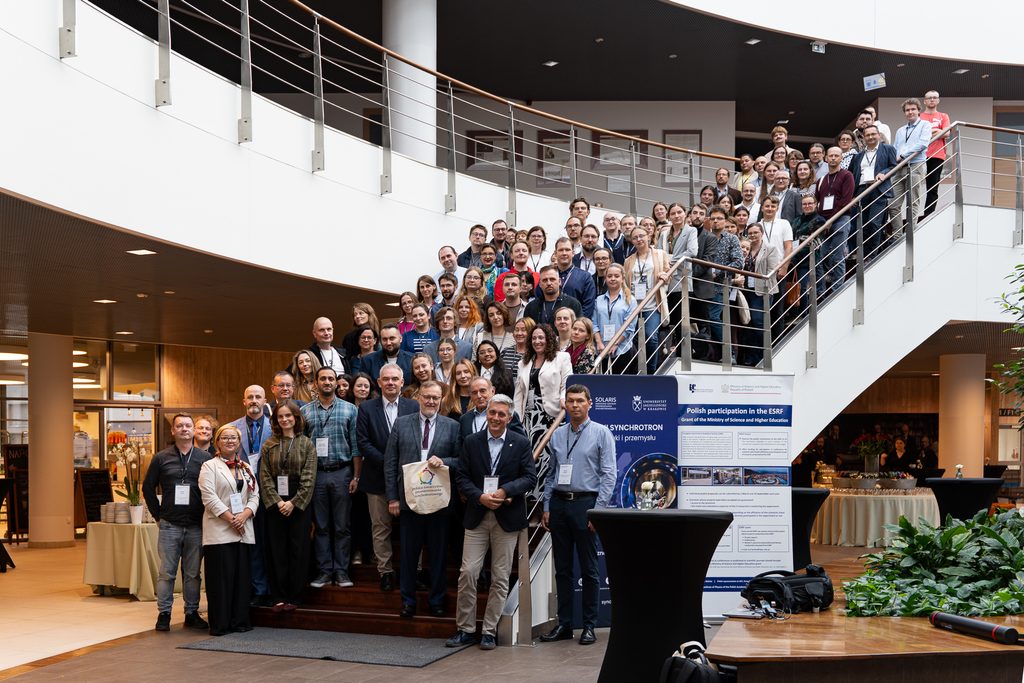
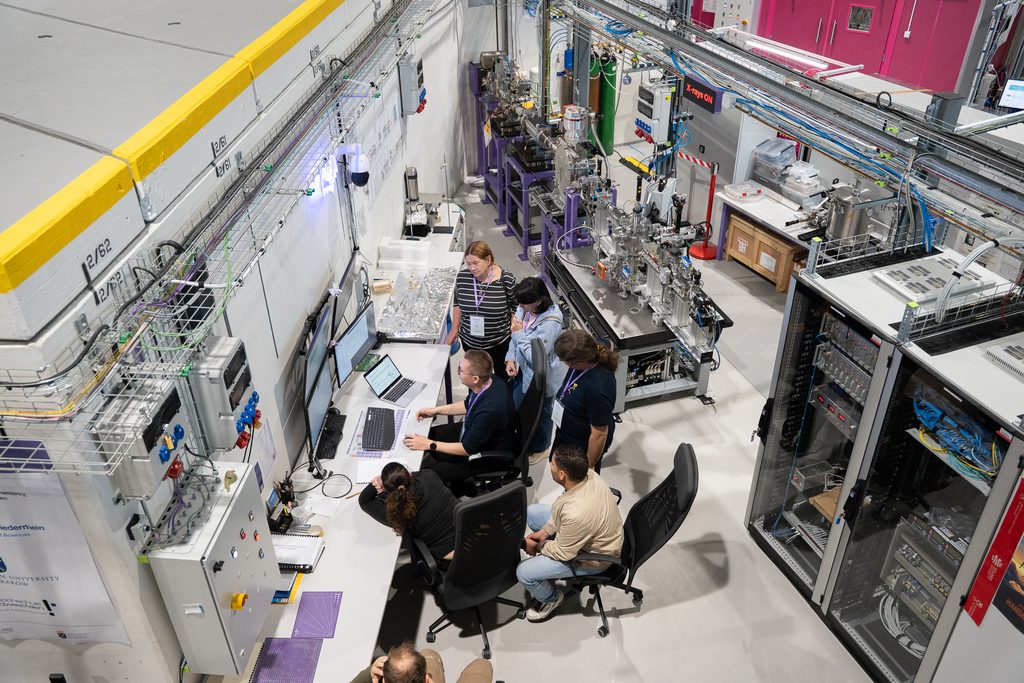
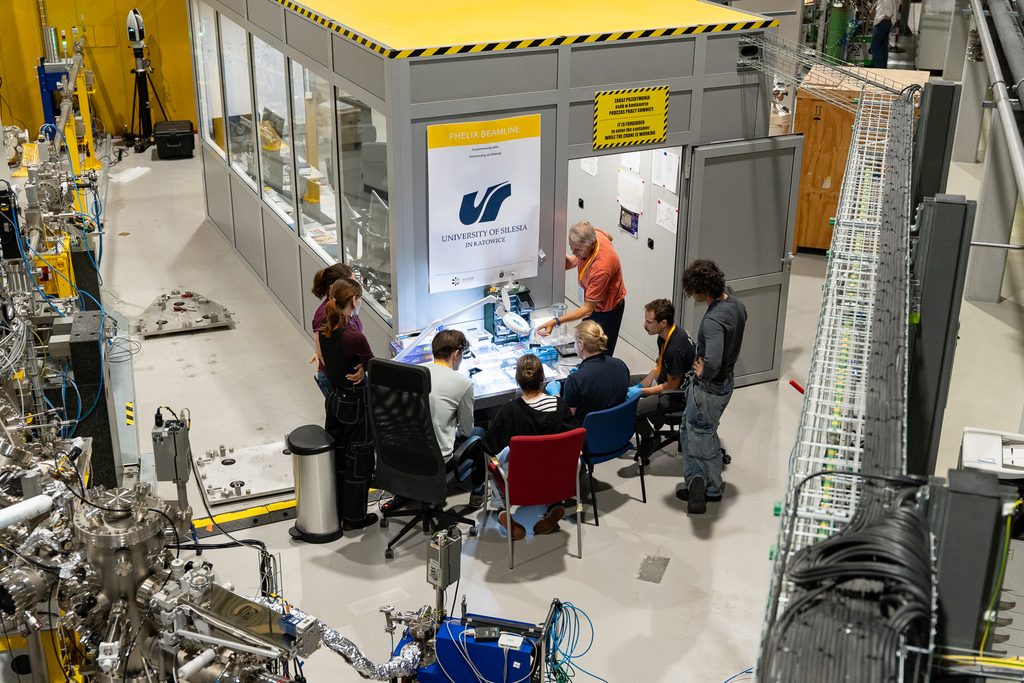
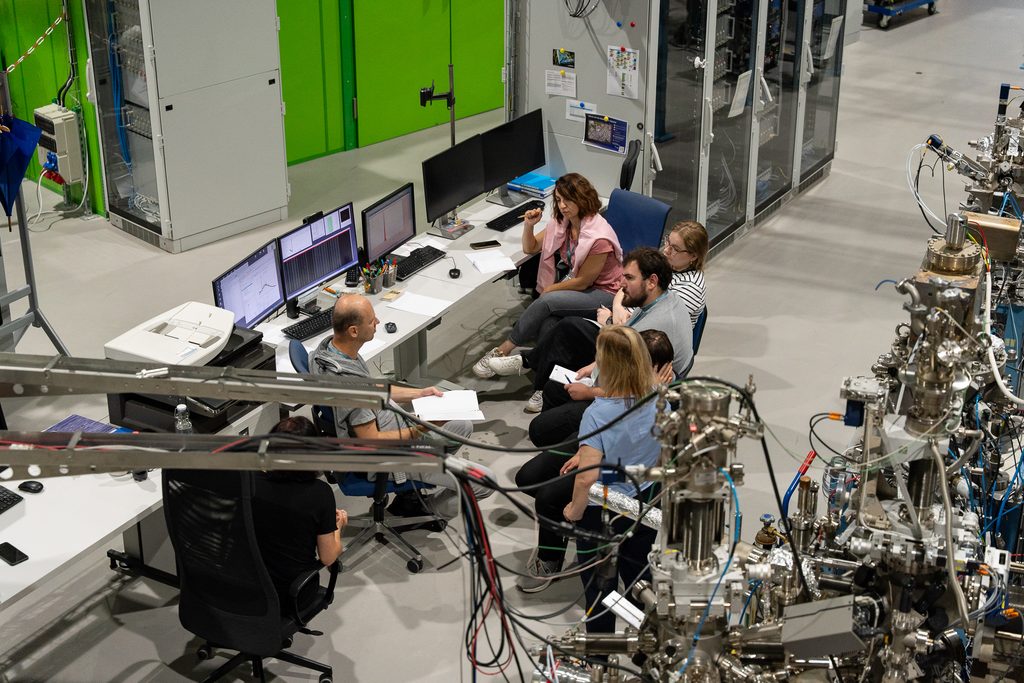
The school programme covered the fundamentals of synchrotron radiation and its interaction with matter, alongside topics related to X-ray absorption and photoemission spectroscopy, X-ray imaging, microscopy and spectromicroscopy.
A key component was the full-day practical training at selected SOLARIS beamlines: DEMETER, PIRX, URANOS, PHELIX, POLYX and ASTRA. Participants had the opportunity to explore the capabilities of individual beamlines, learn how experiments are designed and samples prepared, and gain insight into the measurement and data-analysis process. Visits to additional beamlines also introduced them to complementary techniques beyond those most directly related to their own research interests.
The school also included workshops dedicated to writing beamtime proposals. With guidance from experts, participants worked on their own experimental proposals, learning how to formulate research questions, justify their choice of technique and beamline, and clearly describe their planned measurements. The aim was to help them develop proposals that could be refined and submitted in future SOLARIS beamtime calls.
For the young researchers, the visit to SOLARIS was an opportunity to develop practical knowledge, improve their experimental planning skills and connect with scientists from different research fields. We invited the participants to share their reflections on the internship, and their contributions are reproduced below in their original wording.
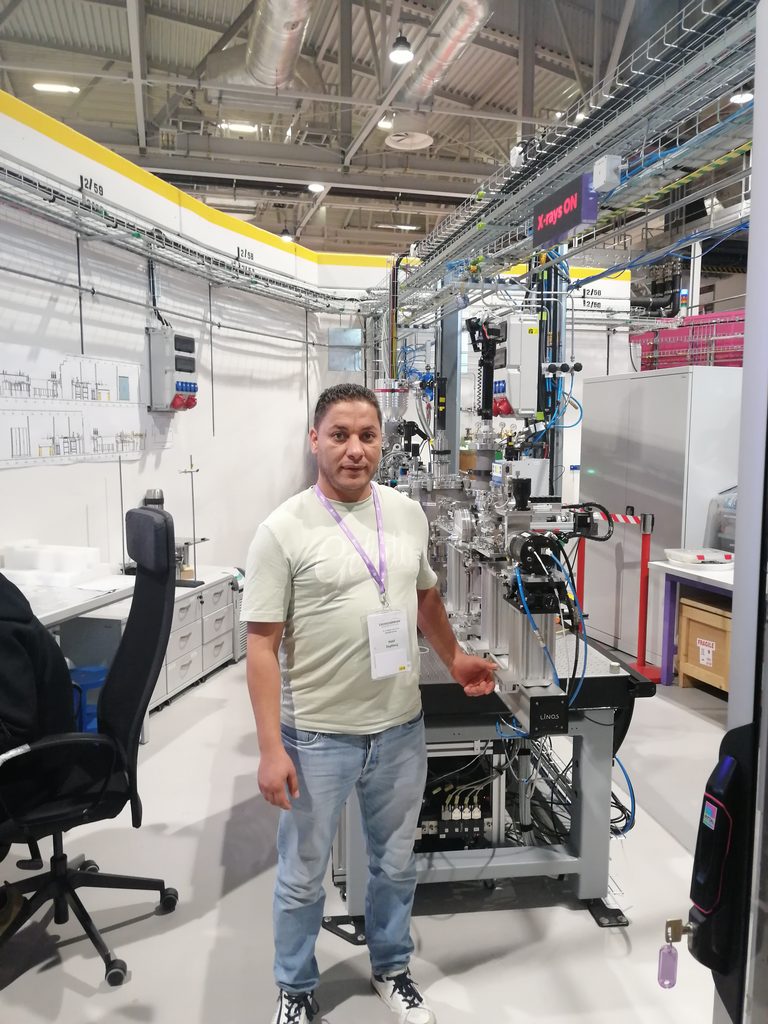
My experience at SOLARIS was very positive and valuable, both scientifically and personally. During the ESR internship, I gained practical experience with synchrotron-based characterization techniques, particularly XANES and EXAFS, and developed a better understanding of how these methods can be applied to investigate the local atomic and electronic structure of materials.
The beamline training and hands-on activities were especially valuable and gave me useful knowledge that I can apply in my future research. I also found the proposal-writing sessions very helpful for understanding how to formulate a strong scientific question and prepare an effective beamtime proposal.
Participating in the SOLARIS User Meeting and the Crosscarpatian Synchrotron School was a great opportunity to meet scientists from different fields, exchange ideas, and discuss possibilities for future collaboration. I particularly appreciated the social events, which created many good memories and made it much easier to meet and get to know other scientists in a friendly and relaxed atmosphere.
The experience was made even more enjoyable by having the opportunity to discover the beautiful city of Kraków during my stay.
I am especially grateful for the financial support provided by the NEPHEWS programme, which enabled me to travel to SOLARIS and participate in the school and its related scientific activities.
Overall, the experience provided me with new knowledge, practical skills, professional connections, and very good memories that I will carry with me in my future research.
My internship at the SOLARIS Synchrotron Centre in Krakow was one of the most rewarding experiences of my academic journey.
Over the course of a week, I met researchers from a remarkably wide range of fields, all connected by one thing: synchrotron-based techniques are a vital part of their ongoing research.
During the beamline training, I gained experience in how synchrotron radiation is used for X-ray Absorption Fine Structure (XAFS) spectroscopy, which reveals the local electronic and geometric structure of both amorphous and crystalline materials. Moreover, one essential aspect of the internship was the chance to exchange ideas and perspectives with other participants.
What I will remember fondly, however, is the friendly and welcoming atmosphere created by the SOLARIS staff and scientists. I am very grateful for this opportunity offered to young scientists through the Early-Stage Researcher programme under NEPHEWS.
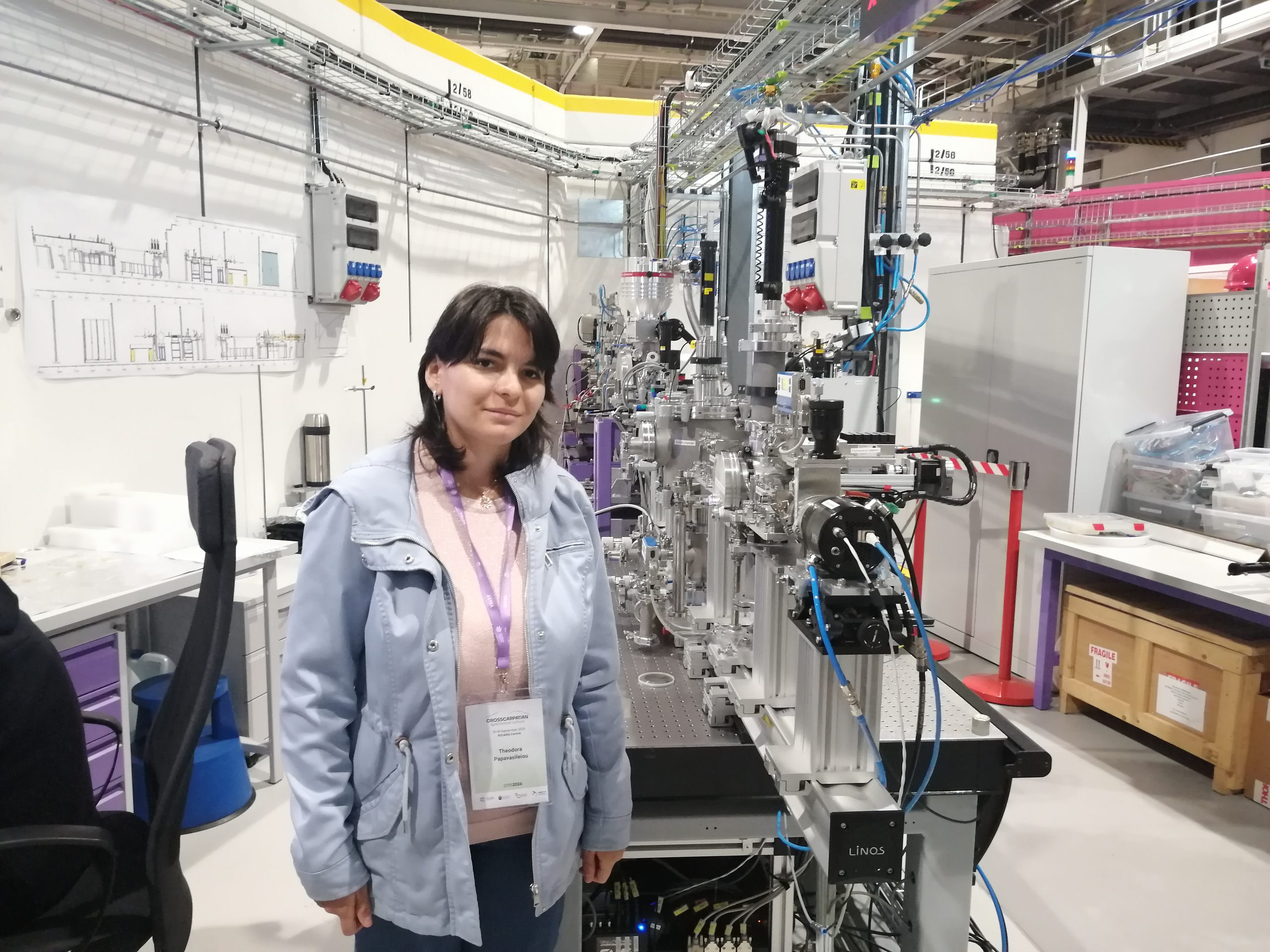
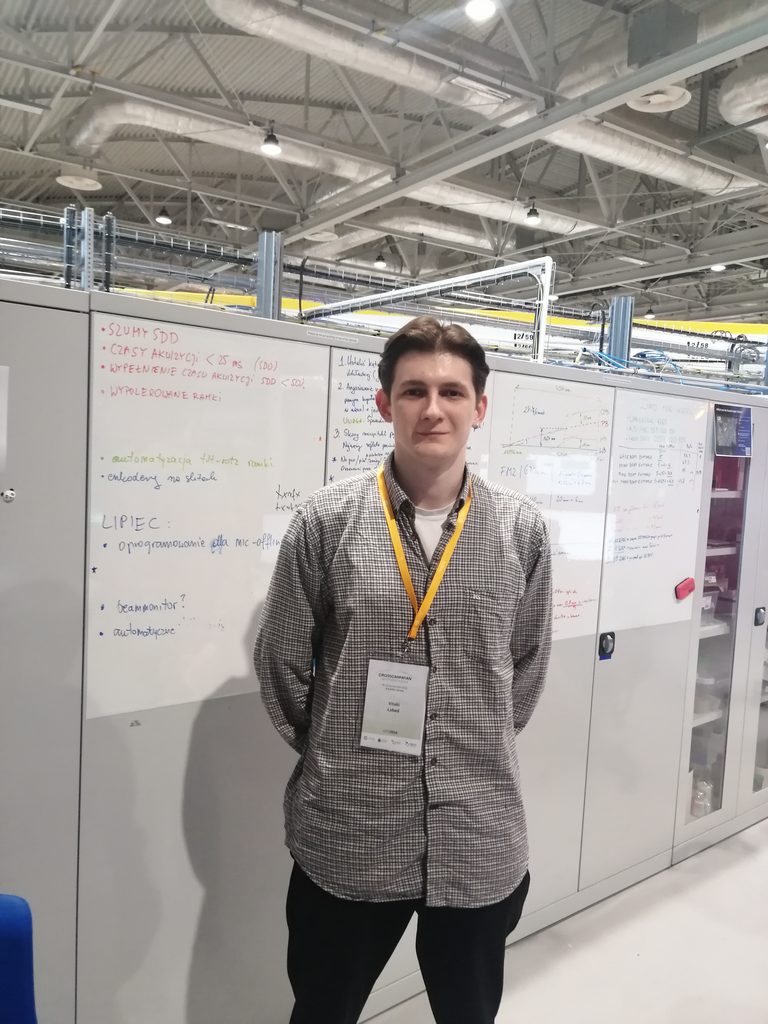
My participation in the SOLARIS User Meeting and Crosscarpatian Synchrotron School was a very useful experience for my current PhD research. I gained a lot of practical insight into various photoemission and microscopy techniques, as well as into writing and submitting a proposal to SOLARIS.
The most valuable part for me was the hands-on beamline training, because it helped me better understand how synchrotron experiments are prepared and carried out in practice. I also found the proposal-writing and discussion sessions especially useful, as they helped me think more critically about how to formulate a clear scientific question and match it with the capabilities of a specific beamline. One important lesson for me was how clearly a proposal should show the beamline scientists what is planned for the requested beamtime. I also appreciated that the beamline scientists are open to being contacted by email to clarify technical details, particularly when deciding which beamline or method is most suitable for a specific experiment.
During the school, I became more familiar not only with photoemission techniques, which are already closely related to my research interests, but also with complementary methods that could be useful for my research. Discussions with beamline scientists helped me better understand which experiments could realistically be applied to my own samples and what kind of sample preparation would be required.
I was really fascinated by the opportunity to meet other early-stage researchers, exchange ideas about different experimental approaches, and discuss the application of synchrotron methods in various fields of science. Overall, the internship gave me a broader view of synchrotron research and made me feel much more confident about planning future experiments at SOLARIS.
I greatly enjoyed my internship at SOLARIS.
Both SOLARIS User Meeting and Crosscarpatian Synchrotron School allowed for a lot of networking opportunities, both inside and outside my field of study.
I learned a lot about operating procedures and capabilities of URANOS, PHELIX and DEMETER beamlines, URANOS session was especially helpful, teaching the ARPES techniques hands-on. Also, staff at PHELIX were extremely helpful, answering lots of questions for everyone.
The proposal-writing sessions were both engaging and helpful, putting school attendees in the shoes of review board.
Overall, the internship was really memorable and useful, I am thankful to NEPHEWS for this opportunity.
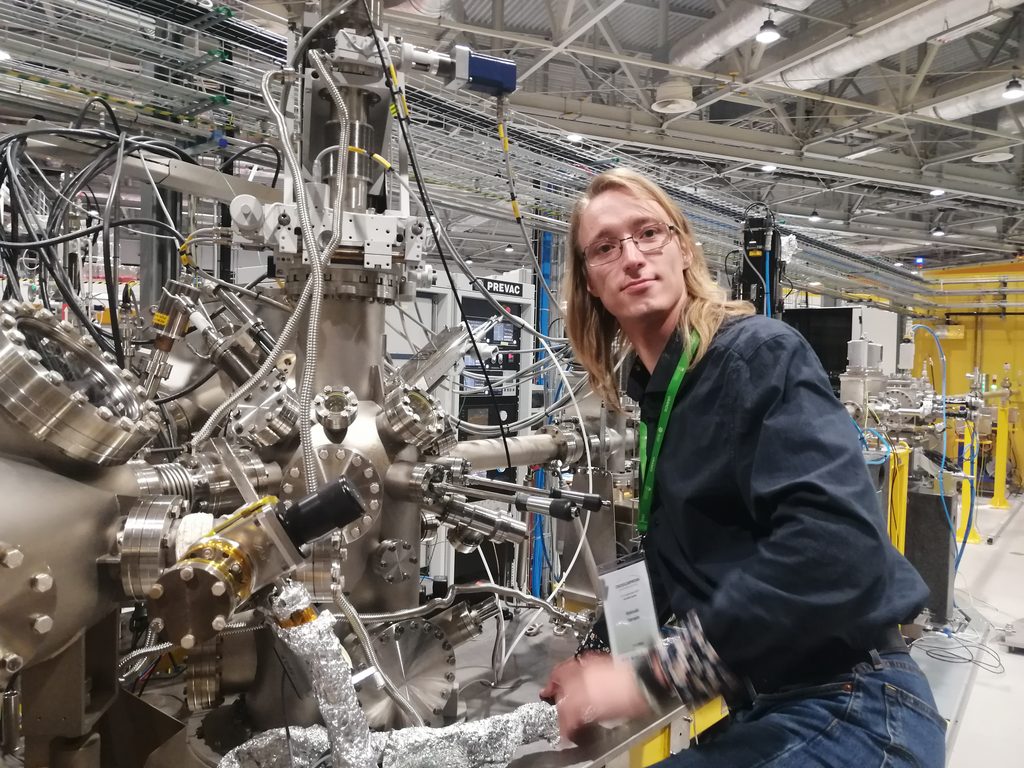
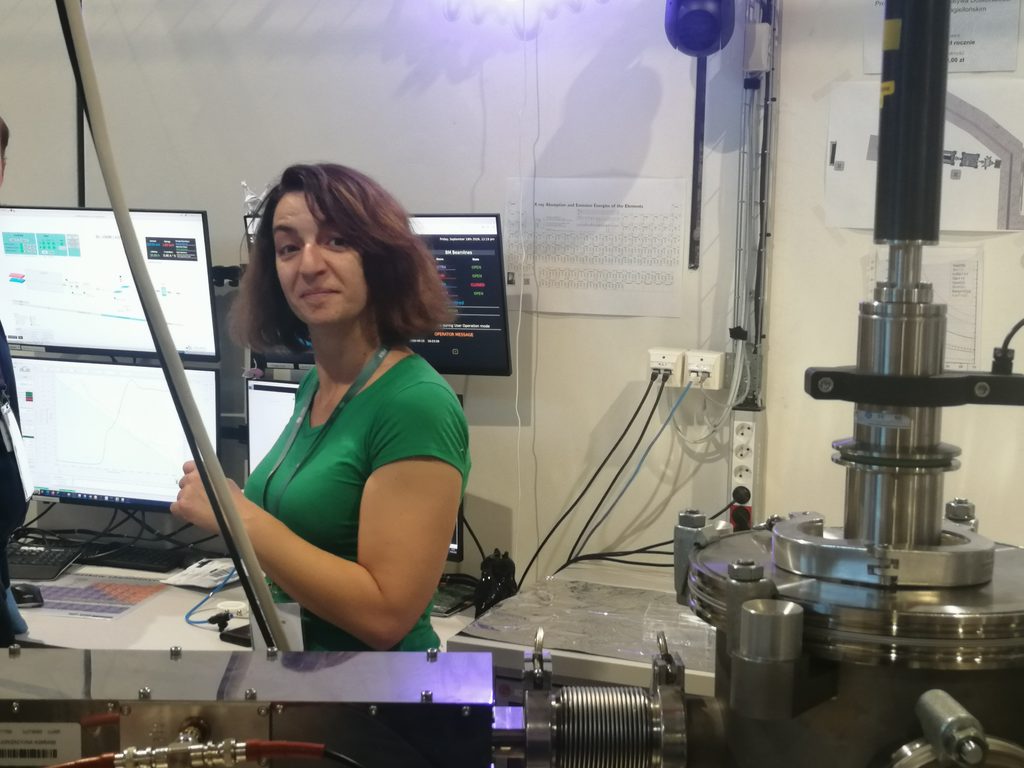
My experience at the synchrotron facility through the NEPHEWS internship was truly wonderful and inspiring. The organization and communication with the organizers were exceptional, and the programme was thoughtfully structured. Bringing together scientists from different fields created a fantastic opportunity for interdisciplinary exchange-from theoretical physics up to geological and environmental studies.
The Cross-Carpathian Meeting was a very interesting introduction, offering valuable insight into the outcomes of the work being carried out. The training at Solaris was a unique experience. The scientists at the beamlines were warm, welcoming, and enthusiastic about their work, while the hands-on training offered valuable insights into the beamlines and their capabilities. I also found the proposal session very impressive, as its well-organized format helped us understand how the process works in practice. And, of course, Kraków was amazing, making the whole experience even more memorable!
The participants’ reflections show that the value of the internship extended beyond simply becoming familiar with synchrotron infrastructure. The practical sessions helped them better understand the capabilities of specific techniques and beamlines, while the proposal-writing workshops helped them translate this knowledge into plans for their own experiments.
Equally important was the opportunity to speak with SOLARIS scientists and fellow participants. Exchanging experience, exploring different experimental approaches and building professional connections may lead to new research ideas and future collaborations.
With support from NEPHEWS, these early-stage researchers were able to develop new skills and take another step forward in their scientific careers.